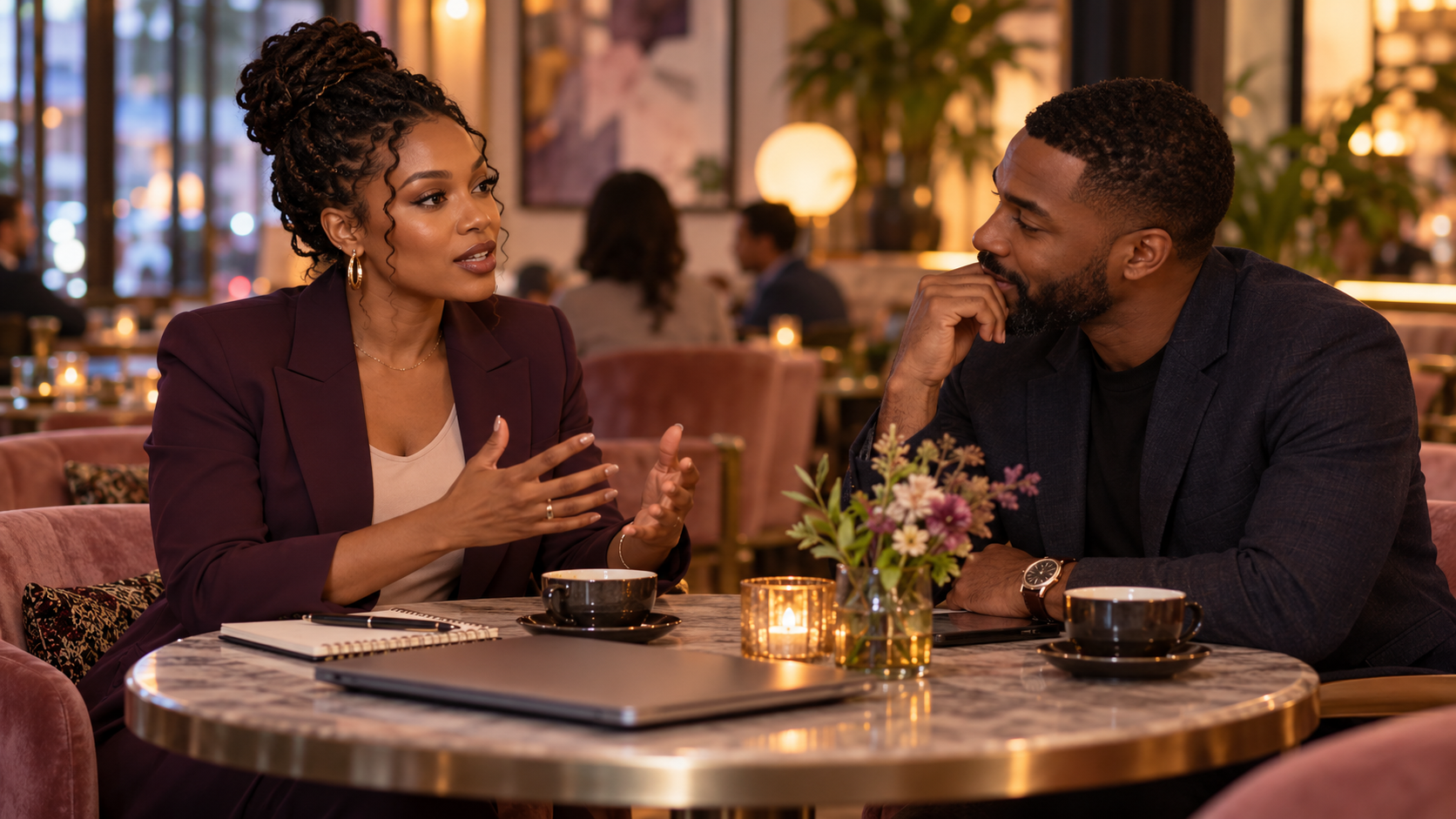
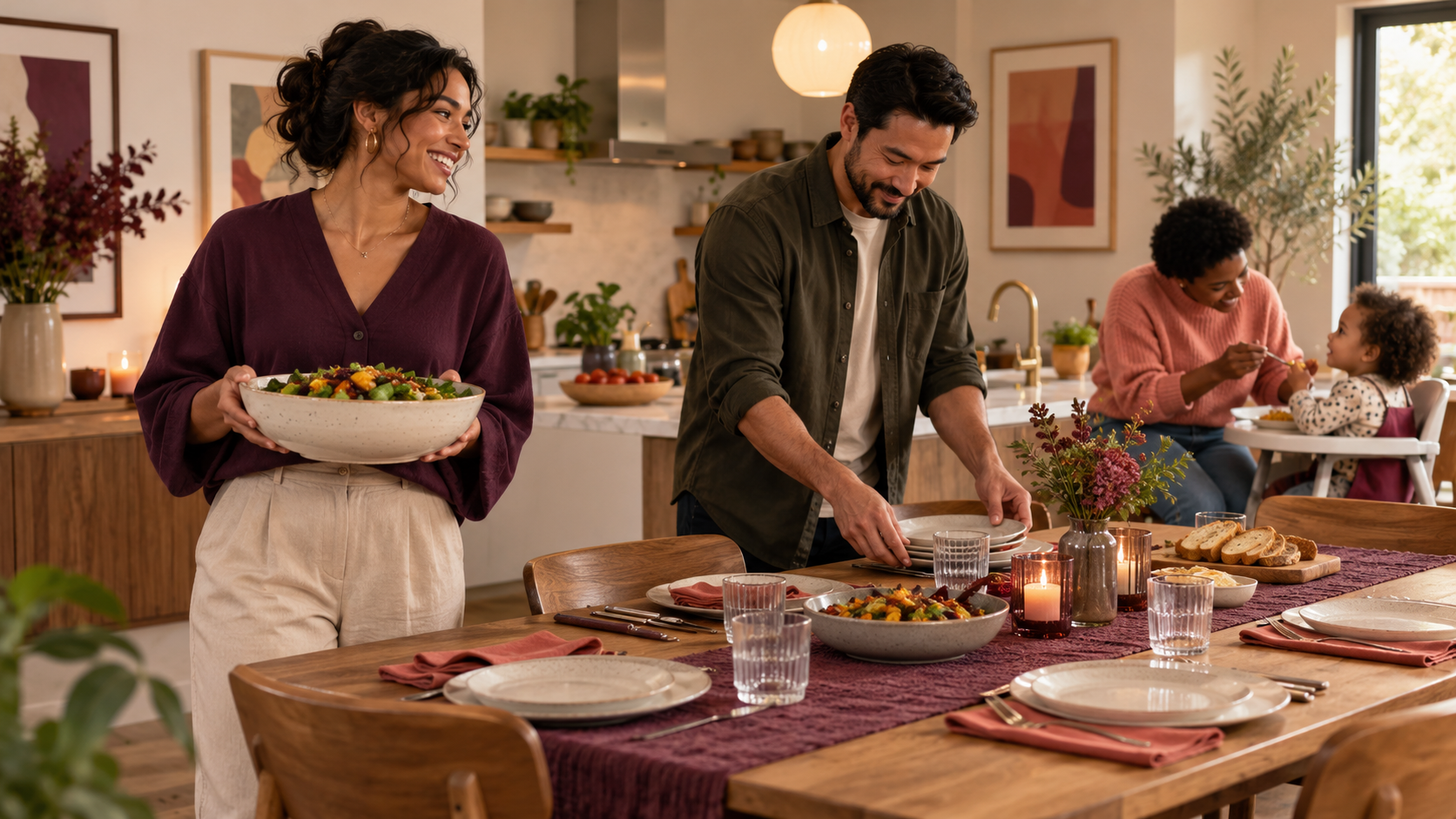
Conversations about traditional gender roles often sound like a debate about the past, but they are really about choices people are making now. Some couples say they want a more traditional arrangement: one partner focuses on paid work while the other carries more of the home and caregiving. Others see that model as limiting or unfair. And many families find themselves mixing old expectations with modern realities, sometimes without ever choosing the arrangement out loud.
Why the conversation feels newly visible
Social media gives familiar ideas a fresh stage. Short clips can turn a complicated household decision into a confident rule about what “real men” or “good women” should do. Economic pressures also shape the discussion. Housing, childcare, and work schedules may lead one partner to take on more paid hours while the other handles more domestic work. A practical response to circumstances can later be described as a belief about gender.
Some people are drawn to traditional roles because they value clear responsibilities, religious or cultural continuity, or the experience of caring for a family at home. Those preferences deserve a fair hearing. The concern is not that every couple must divide work in the same way. It is that a role chosen freely by two adults can become an expectation imposed on everyone else.
Old expectations can persist without being named
Even in couples who consider themselves egalitarian, daily tasks may fall into familiar patterns. One person may become the default planner for meals, appointments, school forms, and family relationships, while the other is seen as “helping” when they take on a task. The language matters: if one adult owns the responsibility and the other occasionally assists, the mental load is still uneven.
These patterns do not prove that people are acting with bad intent. They may reflect what each person saw growing up, different work demands, or assumptions that never became a conversation. But intention does not erase impact. A fair discussion should count the visible labor, the planning behind it, paid work, caregiving, and the rest both people need to stay well.
Choice needs a real safety net
A traditional arrangement can work well for a couple when both people understand what it entails and retain meaningful agency. That includes discussing money, savings, career interruptions, retirement, personal time, and what happens if health or circumstances change. A partner who takes on unpaid care should have access to household information and a voice in financial decisions. Appreciation is valuable; practical security matters too.
Likewise, a dual-income arrangement is not automatically fair. Both partners can work full time while one still carries most of the housework. Labels do not tell us who is doing what. The day-to-day division and its consequences deserve attention.
Trade the labels for specific agreements
- Which household and caregiving responsibilities belong to each person?
- Who notices, plans, and follows through—not only who completes a task when asked?
- How will each partner keep time for rest, friendships, and personal goals?
- What financial access and long-term protections does each person have?
- How will the arrangement change if work, health, or family needs shift?
These questions let a couple build a division that fits their actual lives. One family may choose a more traditional split, another may divide tasks evenly, and another may rotate responsibilities by season. The arrangement can be healthy when it is negotiated, respected, and revisited rather than treated as proof of anyone’s gender or worth.
Culture can shape us without deciding for us
People inherit ideas about masculinity, femininity, duty, and care from family and community. Some of those ideas offer meaning and connection; others may limit the choices people feel allowed to make. Asking where a belief came from does not require rejecting it. It helps distinguish a value someone actively holds from a script they follow because it feels familiar.
So are traditional roles making a comeback?
In some households, people are choosing them more openly. In others, older patterns never fully disappeared. Both can be true. The more useful question is whether people have the freedom and resources to decide how they want to contribute—and whether the arrangement respects the dignity of everyone involved.
Instead of asking whether a couple is traditional or modern, ask whether the work is visible, the agreement is mutual, and both people can speak honestly about what they need. Which expectations would you keep because they fit your values, and which would you change if you started from fairness rather than habit?